The ROI Question Every Business Asks
Every year, businesses across New Zealand invest in promotional products — branded tote bags, pens, water bottles, tech accessories — and every year, finance directors ask the same question: what exactly are we getting back? It's a fair challenge. Unlike a digital ad campaign with click-through rates and conversion metrics, a branded coffee cup doesn't fire a pixel when someone decides to pick up the phone. But the data tells a compelling story. Promotional merchandise is one of the most cost-effective touchpoints in a marketing mix — and when it's done well, the returns are measurable, lasting, and surprisingly strong.
Brand Recall That Outlasts Your Last Campaign
One of the most consistent findings in promotional products research is the rate at which branded merchandise drives unaided recall. Unlike a social media post that disappears from a feed in hours, or a display ad that's ignored in seconds, a well-chosen product lives on a desk, in a bag, or on a kitchen bench for months — sometimes years. Every time someone picks up that branded pen or reaches for that insulated drink bottle, your logo lands in front of them again. No additional spend required.
Studies from the Advertising Specialty Institute (ASI) show that 85% of consumers recall the advertiser on a promotional product they received. More importantly, 58% keep the item for between one and four years. When you divide your unit cost by the number of impressions generated over that period, the cost-per-impression of promotional merchandise competes directly — and often beats — digital and print advertising. For New Zealand businesses operating in competitive B2B markets, that sustained presence matters in ways that one-time ad placements simply can't replicate.
Pipeline Acceleration at Events and Trade Shows
Trade shows and corporate events are where promotional merchandise earns its reputation most visibly. When you're competing for attention on a busy conference floor, the right branded item can be the difference between a business card that gets binned and a genuine conversation that leads somewhere. Products that are useful, relevant to your audience, and well-branded create an instant association between your organisation and something the recipient values.
Research consistently shows that promotional products increase the likelihood of a follow-up call or email after an event. Recipients who received a useful branded item are more likely to recall the brand, respond to outreach, and feel positively disposed towards a conversation. When you're investing thousands in event attendance, adding a considered branded product to your strategy is a modest incremental cost with meaningful returns in lead conversion. The product becomes the physical anchor of the event memory — and that's commercially valuable.
The Long Game — Repeat Impressions vs One-Off Ads
The economics of branded merchandise look different once you factor in longevity. A digital ad run costs money every time it's displayed. A branded product, once purchased, continues to work on your behalf at zero ongoing cost. A quality insulated drink bottle with an average daily use of once and a lifespan of two years generates over 700 organic brand impressions — at a unit cost that's often well under $30.
Compare that to paid search or social advertising, where $30 buys a handful of clicks and no guarantee of continued brand presence. The difference isn't just mathematical — it's strategic. Promotional merchandise builds cumulative familiarity, which matters enormously in B2B sales cycles where relationships and recognition drive decisions. The more your brand is present in someone's day-to-day life, the more likely they are to think of you when a relevant need arises. Familiarity converts. Promotional products build familiarity at scale.
What Separates High-ROI Products from Expensive Clutter
Not all promotional products are created equal when it comes to return. The ones that deliver the best ROI share three characteristics: they're genuinely useful, they're well-made, and they're appropriate to the recipient. A quality drink bottle that someone uses daily for two years delivers thousands of impressions. A novelty stress ball that sits in a drawer for a week delivers none. The ROI isn't in the product category — it's in the product decision.
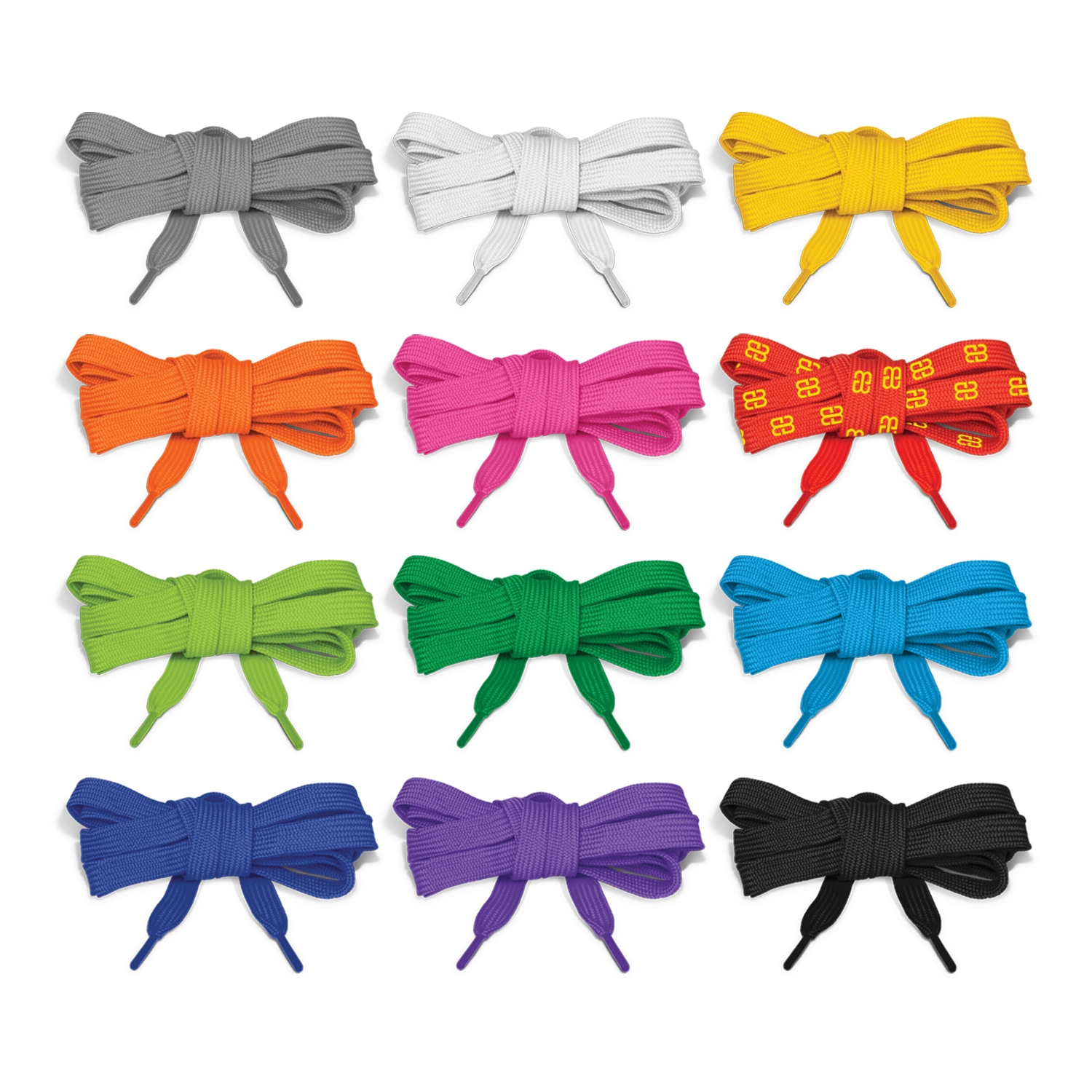
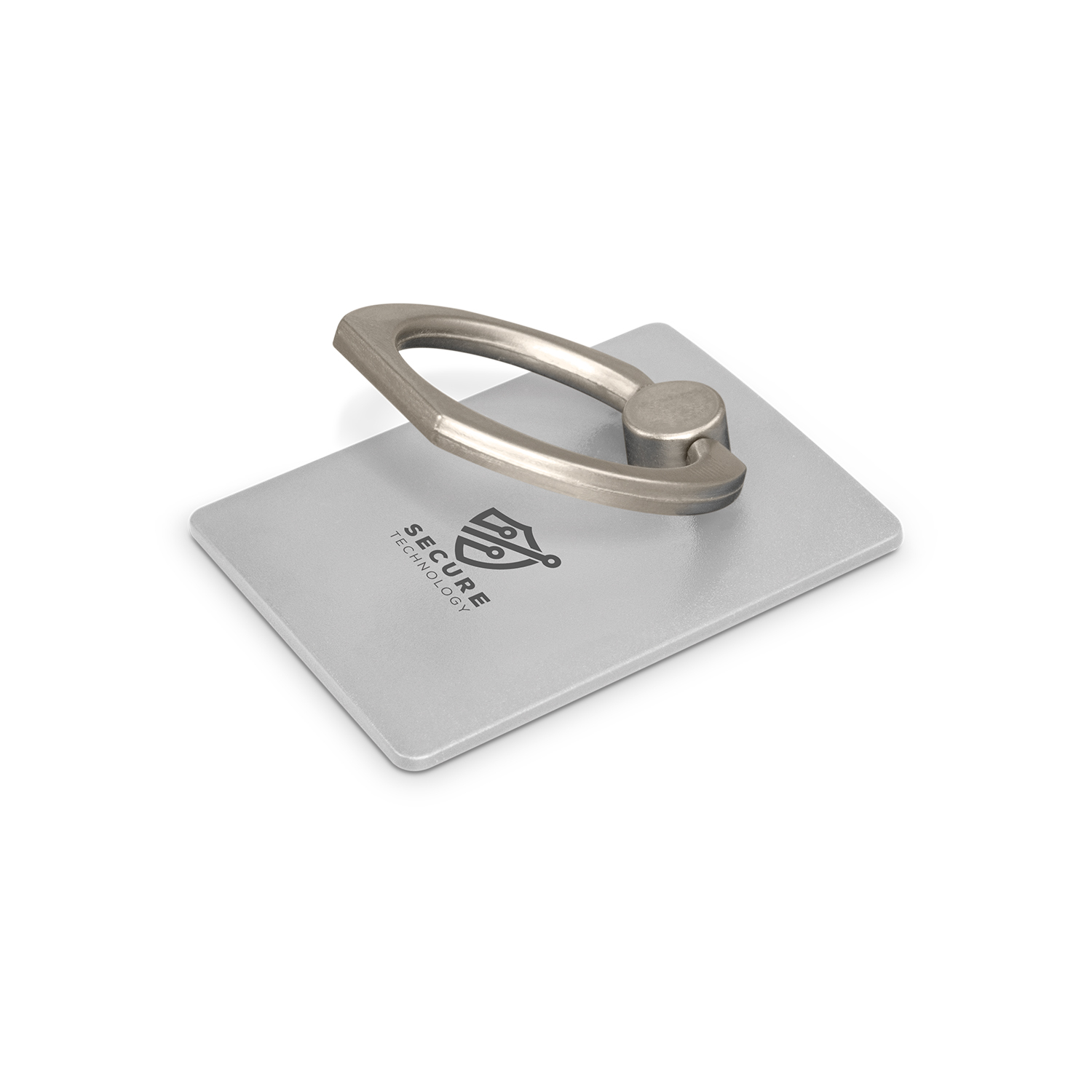
We recommend thinking in three tiers: awareness items (broad distribution, low cost, high utility — pens, totes, lanyards), engagement items (targeted distribution, mid-range cost, high perceived value — tech accessories, premium drinkware), and loyalty items (selective distribution, higher cost, genuinely premium — executive gift sets, branded apparel). Each tier serves a different commercial purpose, and the most effective merchandise programmes use all three strategically.
How Zenith Trends Can Help
We work with New Zealand businesses to build promotional merchandise programmes that are designed around return on investment — not just product catalogues. We help you select products at the right quality tier for each audience, manage branding and fulfilment, and ensure your investment generates measurable results. Whether you're planning an event, launching a client gifting programme, or building an employee recognition strategy, get in touch and we'll help you make it count.